Comparing red and white wines and learning the differences between the two can help you better understand many things about wine. Both are made with grapes that are fermented into a beverage; however, outside of that, the two part ways. Red wines and white wines are made from different types of and parts of the grape, and the winemaking and maturation process varies among the two, leading to products with significant differences in flavor, body, color, and aroma.
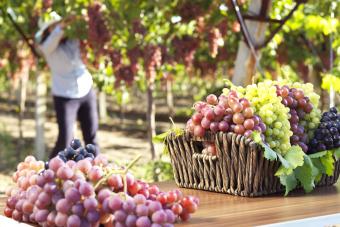
Red and White Wines Use Different Grapes
There are thousands of grape varieties used in winemaking, and herein lies one of the basic differences between red and white wine.

- Red wines are made with black grapes, such as Pinot Noir, Cabernet Sauvignon, Zinfandel, or Syrah.
- Some reds, such as certain Rhône wines like Côte-Rôtie, may also have a small amount of aromatic white wine grapes blended in. For example, Côte-Rôtie contains a blend of Syrah and up to 20 percent of the aromatic white wine grape Viognier.
- White wines are usually made with white grape varietals, such as Sauvignon Blanc, Chardonnay, Riesling, or Sémillon.
- It is possible to make white wines with black-skinned grapes, although it isn't common.
- White wine grapes can be used to create orange wine. In orange wine, white wine grapes are made using red wine making processes, so the skin and seeds are macerated with the juice of white grapes.
- White wines rarely have red grapes blended in, or they become blush wine or rosé.
- There are exceptions to this rule. One exception to this is Champagne, which appears to be a sparkling white wine even though it often contains Pinot Noir and Pinot Meunier, both which are black-skinned grapes blended with Chardonnay. For example, Blanc de Noirs is a sparkling white wine made using only black-skinned grapes.
- DNA testing has showed that both red and white wine grapes come from vitis vinifera, which was originally a black-skinned grape. Mutations have led to thousands of red and white varieties originating from this grape species, all containing common DNA.
Differences in Red and White Wine Fermentation
The major difference between red and white wines comes in the fermentation process.
- Black-skinned grapes are crushed into a pulp called must before fermentation begins.
- For red wines, after crushing, the must, which contains the juice, skins, seeds, and sometimes stems is left to begin fermentation.
- This process is called maceration, and the skins color the red wine and provides tannic structure to the reds.
- The longer the grapes macerate, the deeper the color and the more tannic the wine will be.
- For white wines, the grapes are crushed and pressed to remove the light colored juice.
- When fermenting white wine made with black grapes, vintners remove the skins and seed, so the end result is a white wine the color of straw or hay.
- When fermenting orange wines, winemakers ferment white wine grapes with the skin and seeds to produce an orange-colored wine with tannic structure.
- When fermenting rosé, vintners leave the skins intact for only a short period, giving the wine its light pink or rose color.
- Red wines are usually fermented at a higher temperature than white wines.
- Fermentation temperature for red wines is between 68°F and 80°F (20°C and 30°C).
- Fermentation temperature is usually below 59°F (15°C).

Reds and Whites Are Aged Differently
In general, the aging process for unbottled reds and whites are different, although there are always exceptions to the rules.
- Reds tend to be aged in oak barrels.
- White wines tend to be aged in stainless steel vats.
- However, in some cases (such as Chardonnay), the white wine might be aged in oak barrels to add toasty flavors.
- Some reds (such as Beajuolais nouveau) may be aged in stainless steel vats, which preserves the fresher flavors and aromas of the wine.

Red and White Wine Cellaring Differences
In general, reds and whites have different lifespans once in the bottle.
- Whites tend to have shorter shelf life and need to be drunk younger, although there are exceptions to this.
- Whites such as Pinot Grigio are better when consumed in their youth.
- Some whites with higher acidity and longer time in oak can be cellared for a few years (three to five) because these elements slightly preserve the wine.
- Whites with higher residual sugar or especially well-made white such as white Burgundy, can age for 10 to 20 years (or sometimes longer). Some well-made vintage Champagnes can also age this long.
- In general, reds tend to have longer shelf life with certain exceptions, such as Beaujolais nouveau, which is meant to be drunk in its youth.
- To a point, red wines tend to improve with bottle aging because time in the bottle softens the tannins and allows the wines to "open" so their flavors can emerge from behind powerful tannins.
- Not all reds can last a long time in the bottle. Fruity wines, such as Lambrusco or Dolcetto, drink better with just a few years in the bottle.
- Some reds, such as Barolo made from the Nebbiolo grape or Bordeaux, can age for decades and don't drink well young.
- In reds, tannins increasing aging potential; the stronger the tannins, the longer the aging potential.
- Eventually, aging both reds and whites has diminishing returns, and the wines begin to lose character and flavor.
Flavor Differences Between Reds and Whites
In general, red wines will have deeper flavors such as dark fruits, cocoa, leather, earth, and meat. Likewise, whites will generally have lighter flavors such as tropical fruits, apples, pears, citrus fruits, herbs, and flowers. Both reds and whites aged in oak will also have toasty flavors such as vanilla or caramel.
Examples of Red Wine Flavors
Here is a quick reference to the flavors of some popular red wines.
| Varietal | Grape | Body | Flavor Characteristics |
| Pinot Noir | Pinot Noir | Light to medium | Ripe strawberries and raspberries |
| Shiraz | Syrah | Medium | Dark cherries, cassis, slightly peppery |
| Merlot | Merlot | Medium | Plums, currants and blackberries |
| Cabernet Sauvignon | Cabernet Sauvignon | Full | Leathery, earthy and tannic |
Examples of White Wine Flavors
To go along with your quick reference of the major reds, here is the same for a few of the most popular white wines:
| Varietal | Grape | Body | Flavor Characteristics |
| Pinot Grigio | Pinot Grigio/Gris | Light | Ripe peach and grapefruit |
| Riesling | Riesling | Light | Flinty with apples and pears |
| Sauvignon Blanc | Sauvignon Blanc | Medium | Herbaceous, vegetable and citrus fruit |
| Chardonnay | Chardonnay | Full | Oaky with tropical fruit flavors |
Serving Temperatures
The serving temperatures for reds and whites are different. Red wines need to be served at slightly below room temperature while whites should be chilled slightly.

Which Is Healthier?
There's been a lot of information in the news about the health benefits of red wine, but are whites just as healthy?
- Red wines tend to be higher in the compounds associated with heart health such as resveratrol and tannins.
- White wine is lower in these compounds, but it does contain them.
- For dry wines, both red and white varietals contain similar amounts of carbs and calories (about 25 calories per ounce). Higher levels of residual sugar increase both carbs and calories in reds and whites.
Vive la Différence
Some differences between red and white wines are obvious, while others are less so. The differences noted here are general; winemaking processes, aging potential, health benefits, and flavors will all vary based on the specific wine, the grapes used, the winemaker, and many other factors. But that's what makes wine so fascinating; while it's all labeled as the same thing, it expresses in countless ways. That means if you find a wine you don't like, that doesn't mean there won't be another that you will love.