
If you love wines, becoming a sommelier (suh-muhl-yei) or wine master may be your dream job. In addition to pouring and recommending wines, a sommelier must have an extensive knowledge of wine history, regions, winemaking practices, wine tasting, and proper etiquette. Fortunately, you can learn all of these skills and more in a sommelier course or training program.
How to Become a Certified Sommelier
You don't have to have a professional education or certificate to use the title of "sommelier;" however, if you plan to get a job as a wine steward at a restaurant, you'll need to undergo some training. The following steps can help you tackle the process of training for this career.
Decide on a Certification Level
There are actually several different levels of sommelier certification, as defined by the Court of Master Sommeliers. Each level requires a different amount of coursework and time, so it's important to decide right away which certificate is right for you:
- Introductory Sommelier Certificate - This basic program requires only a few days of coursework, as well as intensive independent study and a lengthy examination. It's a good place to start your education, but employers may not see it as full qualification.
- Certified Sommelier Certificate - This mid-level form of certification requires wine stewards to pass an additional examination, which will require significant studying. This is a good choice if you're planning to work in a less competitive environment.
- Advanced Sommelier Certificate - This more advanced certification level requires a three-day intensive course and builds on the skills of a certified sommelier. The examination requires practical knowledge of wine service, blind tasting ability, and significant study. It also has a written portion. This is a good choice to make yourself more competitive in the job market, and it's a necessary step toward becoming a master sommelier.
- Master Sommelier Diploma - This is the most advanced degree in wine stewardship. Often, this requires a course of study, lasting from about six months to two years. The examination involves practical wine knowledge, service expertise, and much more. According to the Court of Master Sommeliers, only 10% of people taking this examination receive a passing score.
It's also important to note that many sommeliers choose to get a Master of Wine degree. This degree isn't something that the Court of Master Sommeliers oversees, but it does qualify you to be a sommelier. It's more of a theoretical degree and is focused more on wine knowledge than on practical wine service. Only those who pass the final course from the Court of Master Sommeliers can call themselves Master Sommeliers.
Gain Practical Experience
Before you can sit for the Introductory Sommelier Certificate examination, you typically need at least three years of wine service experience. This may involve working in a fine dining restaurant as a server who recommends and pours wine. According to the Court of Master Sommeliers, this level of experience is necessary for subsequent certification levels.

Enroll in a Course of Study
Although you don't have to take a sommelier course to sit for the examination, you'll be far more likely to pass if you have fully prepared. Additionally, wine experience and course completion from any of the following programs may also help you land a sommelier job even if you choose not to take the Court of Master Sommeliers exams when you finish.
- International Sommelier Guild - This program has three levels, designed to prepare you for various certifications. The master sommelier course is six months long.
- Sommelier Society of America - Based in New York City, this program will prepare you to be a certified sommelier. The course is 21 weeks.
- Culinary Institute of America - This prestigious organization offers an accelerated program to receive a wine and beverage certificate. In order to apply for the 30-week program, you'll need to have a bachelor's degree.
- Institute of Masters of Wine - This competitive three-year program will train you to become a master sommelier and prepare you to take the certification examination. It also involves writing a dissertation.
Take the Examination
After you've finished your course, you'll need to take and pass the appropriate examination to receive certification. Many courses include the examination at the end, but if not, you can contact the Court of Master Sommeliers to find out where to go for your test.

Alternative Path to Becoming a Sommelier
Since there are no legal certification requirements to becoming a sommelier, you have some alternatives to taking a course of study and passing an examination. In some cases, extensive experience may go farther toward getting you a job than an official certificate or diploma.
- The most important thing you can do is build your resume.
- In addition to serving wine at a fine dining restaurant, get experience working at a winery or vineyard.
- It's also good to spend time working in a specialized wine shop.
- Additionally, less intensive courses can also lend credibility to your career path. Consider taking short courses at your local community college or culinary institute. Even an online wine class can help you learn more about wine.
What You Need to Know to Be a Sommelier
While there are no official "requirements" to become a sommelier, you still need to meet some basic levels of knowledge. You can gain these either through the formal educational processes outlined above or through personal experience and study. What's most important in becoming a sommelier is your knowledge. There are several things sommeliers all need to know and understand.
Learn as Much as You Can About Wine
This needs to go beyond knowing a few wine regions in the world. As a sommelier, you'll need to know about not only the major wine regions, but also their sub-regions, the microclimates in the region, how the terroir affects the wines they produce, what the major wines are coming from each region and why those wines are successful there, and more. Therefore, the starting point for any potential sommelier is a passion for wine and a desire to learn as much about it as you possibly can. Take wine classes, read great wine education books, watch videos, visit wineries, wine shops, and tasting rooms, join tasting groups, sign up for wine clubs, talk to winemakers, chefs, and industry experts, and more.
Taste Lots of Wines
You'll also need to understand the wine tasting process and how to evaluate wines. It's essential to develop your palate to a significant degree, recognizing aromas, flavors, and characteristics of wine as well as how to identify wine varietals and wines from various regions by recognizing these characteristics. In traditional sommelier training courses, this is done through the use of a deductive wine tasting grid. Therefore, practicing with a wide array of wines and a wine grid can help you in this process. In total, sommeliers will likely have tasted and evaluated thousands of wines including classic wines from every major wine region.

You'll need to be familiar with classic wines from:
- France
- Germany
- Spain
- Portugal
- Italy
- Austria
- United States (California, Oregon, and Washington)
- Australia
- South Africa
- New Zealand
- Argentina
- Chile
Wines (and wine blends) with flavors and aromas you should be familiar with include:
- Cabernet Sauvignon
- Cabernet Franc
- Merlot
- Malbec
- Carménère
- Pinot Noir
- Syrah/Shiraz
- Grenache/Garnacha
- Gamay
- Tempranillo
- Mencia
- Nebbiolo
- Sangiovese
- Corvina (Amarone)
- Aglianico
- Zinfandel/Primitivo
- Chardonnay
- Riesling
- Grüner Veltliner
- Sémillon
- Pinot Gris/Pinot Grigio
- Viognier
- Marsanne
- Roussanne
- Sauvignon Blanc
- Moscato
- Albariño
- Torrontés
- Chenin Blanc
- Verdicchio
- Vermentino
- Port
- Sherry
- Madeira
- Marsala
- Dessert and sweet wines
- Champagne and sparkling wines
Learn About Beer and Spirits, Too
Since sommeliers work in beverage service, you'll also need to learn about beer, spirits, and classic cocktails as well. While you won't need the same level of attention to detail you have with wine, you will need to be able to identify spirits by flavor and understand what differentiates them, which classic cocktails they make, and understand how those spirits are distilled. You'll also need to have a similar level of understanding of beer and the different types of beer.
Learn How to Pair Food and Beverage
Ultimately, being a sommelier is a culinary job. Therefore, you'll need to understand how flavors interact with one another, and how the characteristics of wine, beer, spirits, and cocktails can enhance and be enhanced by different foods. This allows sommeliers to make recommendations for great pairings.
Practice Wine Opening and Service
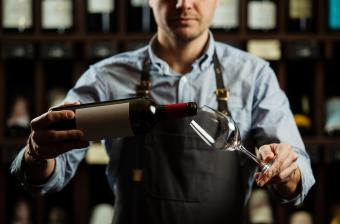
You'll also need to have a deep understanding of the mechanics and etiquette of wine service. You must be able to provide excellent restaurant service, presenting, opening, and pouring bottles of wine at the table. The best way to gain skill and experience at this is through working in a restaurant that specializes in wine and wine service as a server.
Work in the Industry
The best way to learn all of these things is to work in the industry in some capacity, such as through dining and restaurant service, working in a wine shop, or working in a winery tasting room for example. Gaining experience in as many wine, beverage service, and food service jobs as you can will help you in your quest to become a wine expert.
Consider Certification
While certification isn't a requirement to become a sommelier, it is one of the best ways to get all knowledge you need to perform effectively. There are no local requirements in any state or country for sommeliers, so many employers look for a combination of certification, experience, and knowledge/practice when hiring wine professionals.
Average Salaries for a Sommelier
Sommelier salaries vary based on many factors including the market in which the sommelier works, the level of experience, and the company the sommelier works for. Generally, salary range is broad and varied in the US, ranging from about $32,000 per year to more than $80,000.
Your Dream Job
Whether you choose to take an alternative path or enroll in a master course, becoming a sommelier takes dedication and hard work. With time, education, and experience, you'll soon be doing your dream job and sharing your love of wine with others.


